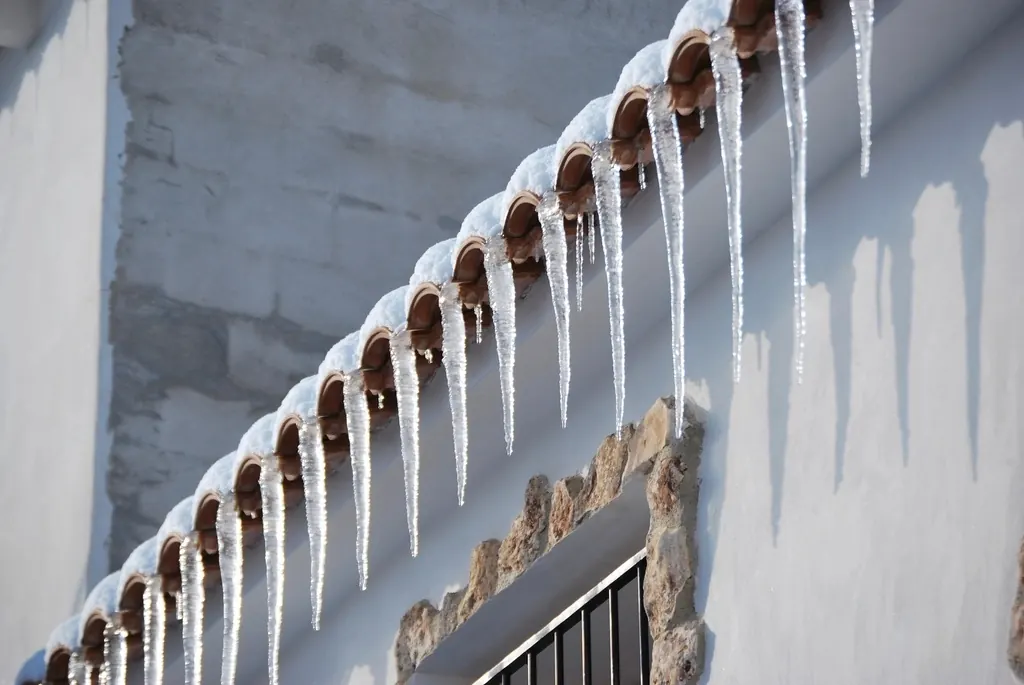
Every Minnesota winter, the same pattern repeats. Heavy snow sits on the roof, heat escaping from the house melts the bottom layer, and the water refreezes at the cold eaves. The ridge of ice grows, meltwater backs up behind it, and a few days later a brown stain appears on a bedroom ceiling. Ice dam claims are among the most common winter losses in the state, and they are also among the most misunderstood. This guide explains how policies usually treat them and how to document the damage so the claim reflects what actually happened.
How an ice dam becomes an interior leak
Shingles shed water that flows downhill. They are not designed to hold back standing water. When an ice dam forms, water pools above it and can work up under the shingle courses, past the underlayment and into the attic, walls and ceilings. Homes with ice and water shield at the eaves resist this better, but even a membrane can be overwhelmed when a dam sits for weeks.
Damage often shows up in places that are easy to miss: insulation that is wet and compressed, rusted nails, swollen window trim, stained drywall inside exterior walls and peeling paint far from the visible leak. Some of that is only found when someone opens a wall cavity.
What is typically covered
Most Minnesota homeowners policies cover sudden and accidental water damage to the interior caused by ice dams. In practice, that often includes:
- Drywall, plaster, paint and texture on ceilings and walls
- Insulation that has been soaked and lost its value
- Flooring, trim and cabinetry damaged by water
- Mold remediation, depending on policy limits and exclusions
- Personal property damaged by the leak
- Reasonable steps to prevent further damage, such as steaming channels in the ice
Some policies also respond to physical damage to the roof itself, such as shingles torn loose or gutters pulled down by the weight of ice. Policy language varies, so read your own form.
What is often treated as maintenance
Insurers commonly decline the cost of preventing ice dams in the first place. That can include routine snow removal, adding attic insulation or ventilation, sealing air leaks and installing heat cables. Those are generally considered upkeep. Insurers may also point to long-term seepage or rot that developed over many seasons rather than a single event.
Where the line blurs
Disputes tend to arise when the carrier agrees the ceiling is covered but limits the repair to a patch, argues that only one room was affected, or refuses to replace insulation it calls “dry enough.” Those are amount-of-loss questions, which is where appraisal can help. Whether the policy covers a given type of damage is a coverage question for the insurer and, if necessary, a court.
Documenting an ice dam loss
Good records make every later conversation easier. As soon as you notice a leak:
- Photograph the roof edge from the ground, showing the ice ridge and icicles, with a date stamp if possible.
- Photograph every interior stain and take a wide shot of each room so the location is clear.
- Check the attic if it is safe, and photograph wet insulation, frost and dripping nails.
- Save receipts for ice removal, fans, dehumidifiers and temporary repairs.
- Report the claim promptly and keep notes of every call with the adjuster.
If the roof itself needs inspection, it may have to wait until snow is gone. That is fine. Interior damage can be measured and priced right away, and the roof portion can follow.
Snow load is a separate question
Ice dams are about water. Snow load is about weight. Heavy, wet snow can stress roof framing, and Minnesota has seen dramatic examples, including the collapse of the Metrodome roof in December 2010. If you see sagging, cracked drywall along ceiling joints or doors that suddenly stick, treat it as a structural concern. Our roof snow load calculator gives a rough, illustrative sense of how much weight a roof may be carrying.
Common estimate gaps on ice dam claims
When Minnesota Insurance Appraiser reviews ice dam estimates, a few gaps come up repeatedly:
- Ceiling repair priced for one room when stains extend through a hallway or closet
- No allowance for painting an entire wall or ceiling plane for an even finish
- Insulation removal and replacement left out of the scope
- Exterior wall cavities not opened, so hidden damage is never priced
- Drying equipment days understated
A careful claim estimate review often catches these before anyone needs to talk about appraisal.
When appraisal fits an ice dam dispute
If the carrier accepts the claim but you and the adjuster remain far apart on the scope or pricing, appraisal may be a practical way to resolve it. Typical examples include disagreements over how much drywall to replace, whether flooring can be dried or must be replaced, or how many days of mitigation were reasonable. Our ice dam and winter damage appraisal page explains how we approach these claims, and the appraisal process guide walks through each step.
If the insurer has denied the claim entirely, for example calling the whole loss maintenance, that is a coverage dispute. Talk to a Minnesota attorney about it rather than starting appraisal.