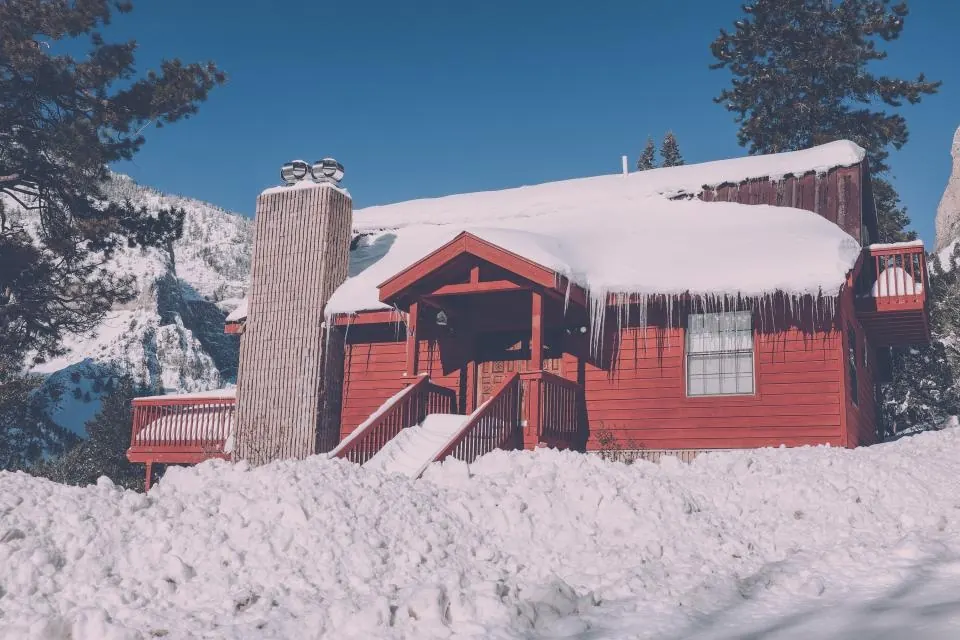
Why Minnesota needs a roof snow load calculator
Minnesota winters stack snow, thaw it, refreeze it and add more. Wet spring snow and ice layers can weigh several times as much as fresh powder at the same depth. The Metrodome’s fabric roof deflating under heavy snow in December 2010 is the best-known example, but most snow-load claims involve garages, porches, pole buildings and flat commercial roofs.
How the estimate is calculated
- Snow: depth in feet × typical density for the snow type you choose.
- Ice: thickness in feet × about 57 lb/ft³.
- Total: the sum, compared with the reference load you select, and multiplied by roof area if you enter one.
Densities vary widely in real snowpacks; these are rough planning values.
Snow load, ice dams and your insurance claim
Collapse from the weight of snow or ice is a covered peril in many homeowner forms, while gradual deterioration is not. Ice dams that push water under shingles are a separate issue covered on our ice dam & winter damage page. If a roof is sagging, cracking or leaking, get people out and call a qualified contractor or structural engineer — don’t climb on it.
This calculator is not an engineering evaluation. Reference loads shown are examples, not your building’s rated capacity.
Questions about this tool
How much does a foot of snow weigh on a roof?
It depends on density. Fresh powder might be around 5–7 pounds per square foot per foot of depth, while wet or packed snow can be 20 pounds or more.
What is my roof designed to hold?
Design snow loads depend on building code, location, roof shape and age. Building plans or a structural engineer can tell you; this tool only offers example reference values.
Is roof collapse from snow covered by insurance?
Many homeowner policies cover collapse caused by the weight of snow or ice, but terms and exclusions vary. Read your policy’s collapse provisions.