Who we work with
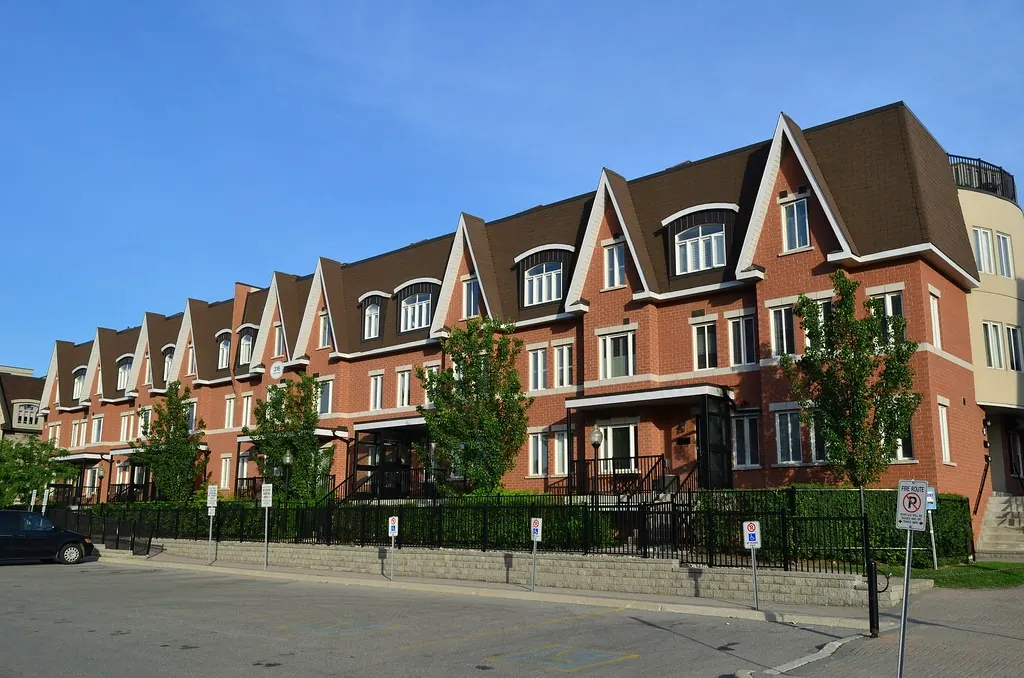
Outer-ring suburbs around the Twin Cities, along with growing areas near Rochester and St. Cloud, have added a large number of townhome associations over the past few decades. Many of these communities carry a master policy on roofs, siding and common structures. We also work with owners of small commercial buildings, retail strips, churches and mixed-use properties. Minnesota HOA insurance appraisal follows the same basic appraisal provision as a house claim, but the practical work is very different.
What makes association claims harder
Consistency across buildings
Insurers sometimes accept damage on certain buildings and reject it on neighbors that faced the same storm. A defensible scope documents each building with the same method so differences reflect actual conditions, not inspector variation.
Matching and uniform appearance
Associations often have governing documents requiring a consistent exterior. Policies, on the other hand, may limit payment to the damaged area. How those interact depends on the policy and sometimes on legal questions an attorney should answer, but the appraisal scope must at least make the matching issue visible and priced.
Who owns what
Declarations vary on whether windows, decks, interior finishes or garage doors belong to the association or to individual owners. That affects which policy responds. We work from the documents the board provides and flag items that may fall under a unit owner’s own policy.
How we organize a large file
- Inventory every building and elevation, with photos tied to a site map.
- Separate roof, siding, gutters, soft metals, windows and decks into consistent categories.
- Price each building separately so the award can be broken down if needed.
- Prepare a summary the board can review at a meeting without wading through hundreds of pages.
Commercial property considerations
Commercial policies can include coinsurance clauses, business income coverage, and different valuation rules than homeowner forms. Appraisal may address the amount of a business income loss as well as physical damage, depending on how the policy reads. We review the form carefully before recommending a path. Some properties that are hard to place end up with coverage through the Minnesota FAIR Plan, which has its own policy language worth reading closely.
Timelines that matter to associations
Boards meet monthly or quarterly, contractors book out quickly after big storms, and policy deadlines do not wait for either. Minnesota policies commonly limit lawsuits to two years after the loss, and replacement cost policies often set a window for completing repairs before withheld depreciation is lost. Confirm each date with the association’s attorney and insurance agent, and build them into the board’s calendar as soon as the claim is filed. A clear schedule also helps managers answer owner questions, which tend to multiply when roofs on some buildings are replaced and others are not.
Getting started
Send the master policy, declarations, the carrier’s estimate and any engineering reports. Minnesota Insurance Appraiser will review whether Minnesota HOA insurance appraisal is a good fit and what an independent scope is likely to change. For a broader view of how the process unfolds, see the process guide, or go straight to contact us. Hail-specific issues are covered on our roof and hail appraisal page.
Frequently asked questions
Can the association invoke appraisal for only some buildings?
That depends on the policy and how the claim was presented. Usually the demand covers the disputed amount of loss on the claim, which may include some or all buildings.
Do individual unit owners need their own appraiser?
Not for items covered by the master policy. Owners may need separate help if their own HO-6 or similar policy responds to interior damage.
Can you present to the board?
Yes. We can walk the board through the scope and the differences from the insurer’s figure in plain language.