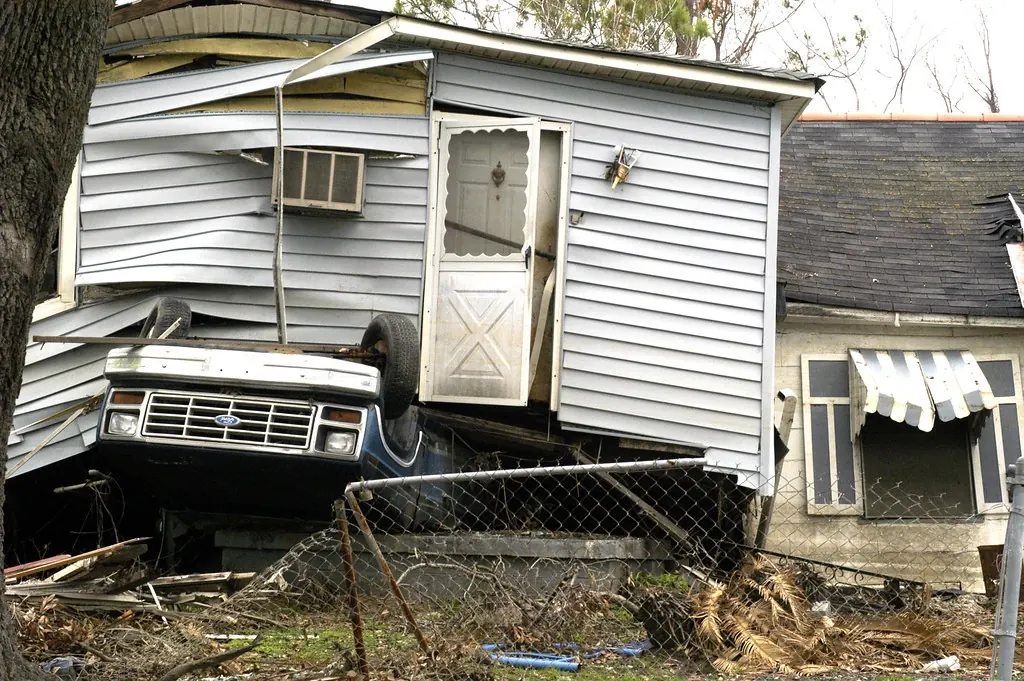
A state shaped by wind
Minnesota’s storm history includes the 1965 Fridley tornadoes, the March 29, 1998 tornadoes that struck St. Peter and Comfrey, the July 4, 1999 derecho that flattened huge stretches of forest in the Boundary Waters, the May 2008 Hugo tornado, the June 17, 2010 outbreak that hit Wadena, the May 22, 2011 North Minneapolis tornado, and the May 12, 2022 derecho. Each produced claims that ranged from a few missing shingles to total losses. We do not handle hurricane losses because Minnesota does not have them; our wind work centers on the storms that actually occur here.
Tornado versus straight-line wind
For most homeowner policies, windstorm is a covered peril whether it came from a tornado or a straight-line gust. Minnesota has no state wind pool, so wind coverage usually sits inside the standard property policy, sometimes with a separate wind or hail deductible. The type of storm still matters for documentation: tornado paths tend to be narrow and intense, while derechos spread moderate to severe damage over wide areas, which can lead insurers to treat damage as wear rather than storm-caused.
Where wind estimates fall short
Hidden structural damage
Uplift can loosen roof sheathing, shift trusses or crack framing connections without obvious signs from the ground. A scope that only replaces shingles may miss deeper repairs.
Trees and debris
Fallen trees are a major part of Minnesota wind claims. Many policies pay to remove a tree that strikes a covered structure, often subject to a limit. Removal, crane access and damage to fences, decks and sheds should all be scoped.
Surge pricing after big events
After a large storm, labor and materials can cost more for months. Estimates priced from pre-storm databases may not reflect what contractors are actually charging in the affected area.
Outbuildings and cabins
Detached garages, pole sheds, docks and boathouses at lake properties are frequently undervalued or overlooked entirely.
How we approach a wind claim
Minnesota Insurance Appraiser inspects the full property, including attics where accessible, and documents direction of damage, missing materials and structural movement. We then build a Minnesota wind damage appraisal scope that addresses roofing, siding, windows, structural repair, tree work and other structures, priced for the period the work will actually be done. If the carrier’s appraiser disputes whether certain damage was caused by the storm, the panel may consider that as part of the amount of loss, consistent with Minnesota case law, while true coverage questions stay with the courts.
When the whole neighborhood is hit
After events like the 2011 North Minneapolis tornado or the 2022 derecho, insurers bring in adjusters from outside the region, and estimates are often written quickly with limited time on each property. That pace can lead to missed rooms, default pricing and generic scopes. It can also mean your claim is handled by several different adjusters over time. Keeping your own dated record of every conversation, estimate and payment makes it much easier to see where the numbers stand and to prepare for appraisal if it becomes necessary.
Next steps
Gather the claim number, adjuster estimate, photos, tree removal invoices and any engineer report. Then contact us to discuss whether Minnesota wind damage appraisal fits your situation. If hail fell during the same storm, our hail appraisal page covers the overlap.
Frequently asked questions
Is a derecho treated differently from a tornado by my insurer?
Usually both fall under windstorm coverage. The difference tends to show up in how damage is documented and whether the insurer attributes it to the storm or to prior wear.
Will my policy pay to remove trees that fell in the yard?
Many policies only pay for tree removal when the tree damaged a covered structure or blocks access, often with a set limit. Check your policy’s debris removal and trees provisions.
Do you handle wind damage at lake cabins and outbuildings?
Yes. Docks, boathouses, detached garages and pole sheds are often part of a wind claim and should be included in the scope if the policy covers other structures.