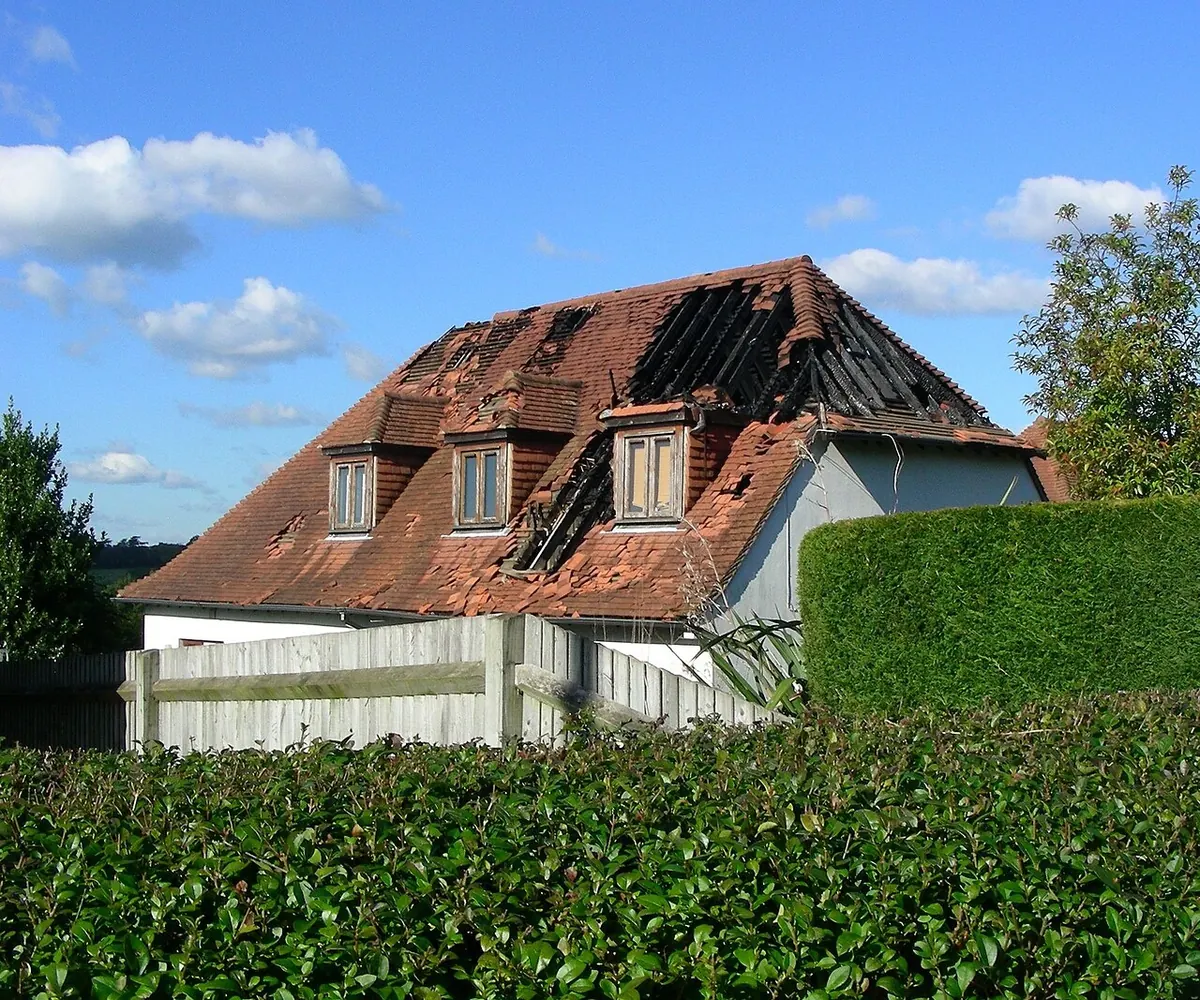
Fire claims are layered
A kitchen fire may burn one room, but smoke and soot can reach every floor through ductwork, stairwells and wall cavities. The insurer’s first estimate often covers the visibly burned area thoroughly while treating the rest of the house with light cleaning. A fire damage appraisal looks at each layer: the burned structure, the smoke-affected structure, the mechanical systems, and the contents.
Questions the panel commonly decides
Clean or replace?
Soot on painted walls may clean up. Soot embedded in porous materials like insulation, unsealed wood, upholstery or acoustic ceilings often does not. Odor that returns on humid days is a sign cleaning did not work. We look at the material, the type of smoke residue and the results of any testing.
How far does the smoke scope extend?
Many estimates stop at the room of origin and immediate neighbors. We trace smoke movement through the HVAC system and open spaces and document residue in rooms the original scope skipped.
Structural and code items
Charred framing, damaged electrical wiring and heat-affected windows may require more than cosmetic repair. If the policy includes ordinance or law coverage, code upgrades triggered by the repair are part of the valuation.
Wildfire smoke in northern Minnesota
In recent summers, smoke from wildfires in northern Minnesota and Canada has drifted across the Arrowhead and sometimes into the Twin Cities. Cabins near active fires may experience ash fall and heavy smoke odor even without flames reaching the property. Whether such damage is covered depends on the policy and on physical evidence, which is a coverage matter. Where the insurer has accepted the claim, appraisal can address the cost to clean, seal or replace affected materials and contents.
Contents after a fire
Fire claims often involve hundreds or thousands of personal items. Insurers may apply heavy depreciation, assume items can be cleaned, or price replacements below what a comparable item actually costs. Our contents appraisal service covers inventory and pricing in more detail.
Living elsewhere during repairs
Serious fires usually force families out of the home for months. Additional living expense or loss of use coverage pays reasonable increased costs such as rent, extra mileage and meals above normal spending, within the policy’s limits and time frame. Disagreements about how long repairs should take can affect that coverage directly, because a lowball scope often implies a shorter rebuild. A realistic schedule, grounded in the actual work and in contractor availability in your part of Minnesota, supports both the structure figure and the living expense side of the claim.
How we work a fire file
- Review the policy, the fire department report if available, and every estimate issued so far.
- Inspect the entire home, including attic, basement and ductwork access points.
- Document smoke residue and odor room by room with photos and notes.
- Build a structure scope and coordinate with the contents valuation.
- Work with the insurer’s appraiser and, if needed, present to the umpire.
Minnesota Insurance Appraiser handles fire damage appraisal for single-family homes, townhomes, cabins and small commercial properties. Learn about the overall sequence in our process guide or contact us to discuss your loss.
Frequently asked questions
The insurer says my house just needs cleaning. Can appraisal change that?
Appraisal can value what is needed to repair or replace smoke-damaged materials. The panel considers evidence such as residue, odor and material type when deciding between cleaning and replacement.
Is wildfire smoke covered by my homeowner policy?
Smoke is often covered as part of the fire peril, but specifics vary by policy and by the physical evidence. That threshold question is about coverage, not appraisal.
Do I need an inventory before contacting you?
No, but starting one early helps. Photos, receipts, and room-by-room lists all support the contents valuation.