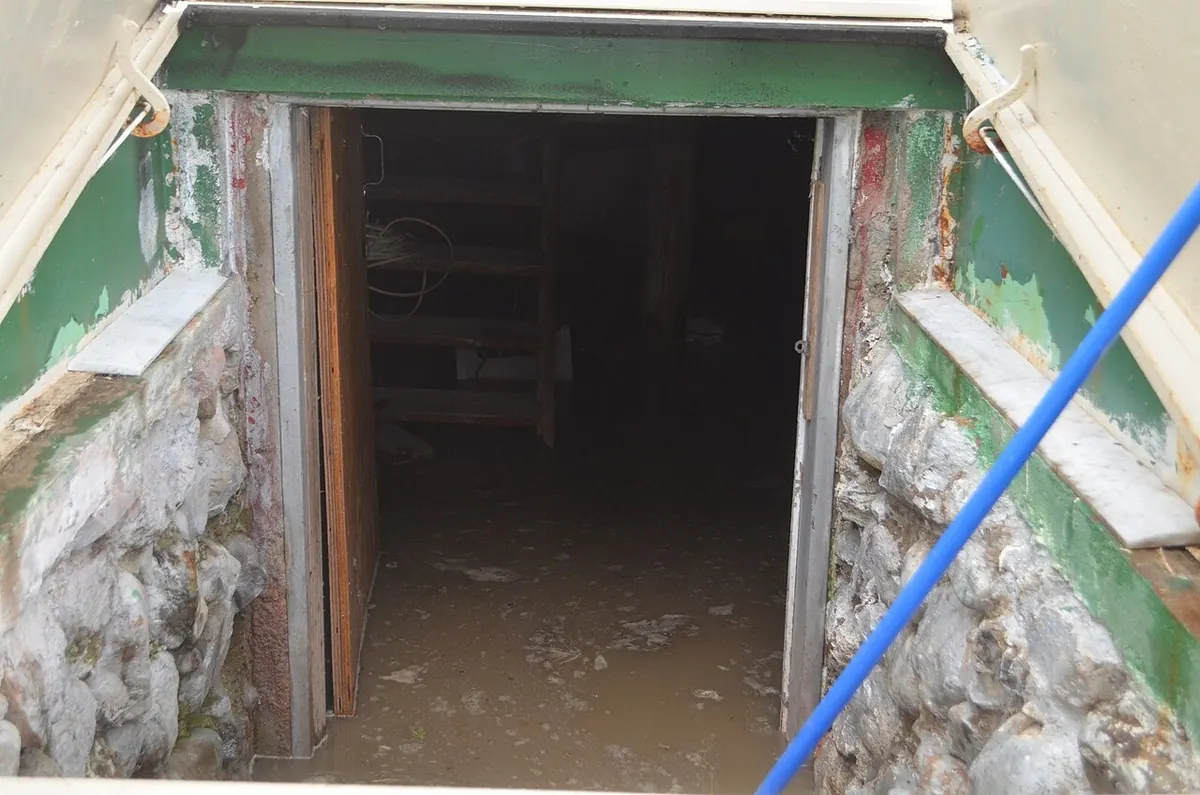
Which water losses fit appraisal
Most homeowner policies cover water damage that is sudden and accidental: a supply line bursts, a water heater fails, a washing machine hose splits, or a pipe in an exterior wall lets go. When the insurer accepts that kind of loss but underpays it, a water damage insurance appraisal can resolve the disagreement over the amount.
Two common sources are treated differently. Sewer and drain backup is usually excluded unless the policy carries a specific backup endorsement, often with a lower limit. Flood from rising surface water, such as the 1997 Red River flood around Moorhead and East Grand Forks or the June 2012 Duluth flood, is generally excluded from homeowner policies and covered instead through separate flood insurance such as the National Flood Insurance Program. Whether a loss falls under one of these categories is a coverage question, not something an appraisal panel settles.
Mitigation is only the first bill
Insurers often pay the water mitigation company promptly and then underestimate the rebuild. A complete scope should cover both.
- Emergency services: extraction, drying equipment, monitoring and antimicrobial treatment
- Tear-out: flooring, baseboard, lower drywall or plaster, insulation and cabinets where wet
- Rebuild: framing repairs, wall finishes, paint, flooring, trim and cabinetry
- Contents: moving, storing, cleaning or replacing items in affected rooms
- Additional living expense: if the home is not livable during repairs and the policy provides it
Minnesota-specific complications
Finished basements
Many Minnesota homes have finished lower levels with carpet, drywall and sometimes bedrooms. Water migrates under walls and into framing, and moisture readings should guide what gets removed.
Plaster and lath
Older homes in Minneapolis, St. Paul and Duluth often have plaster that holds moisture differently from drywall. Replacing it with drywall may not be a like-kind repair.
Continuous flooring
Hardwood or vinyl that runs through several rooms cannot always be patched invisibly. Matching affects how much floor must be replaced.
Our role
Minnesota Insurance Appraiser reviews the mitigation records, moisture maps and the carrier’s estimate, then inspects the property and builds an independent scope. In a water damage insurance appraisal, we focus on what the drying data shows was actually wet and what the policy requires to restore it. Frozen pipes are discussed in more depth on our ice dam and winter damage page, and contents losses on the contents appraisal page.
Drying records as evidence
Reputable mitigation companies record moisture readings, equipment placement and daily progress. Those logs show which materials were wet, how long drying took, and whether anything was left damp. They are often the strongest evidence in a water claim because they were created at the time of the loss by someone other than the homeowner. If drying stopped before materials reached normal readings, or if certain rooms were never tested, that gap can support a larger rebuild scope. We read these records closely and compare them with what the insurer’s estimate assumes.
What to save
If your home sits in a flood-prone area such as parts of the Red River Valley, check whether you also carry a separate flood policy, since that claim follows its own rules and timelines.
Keep the failed part, such as the burst hose or valve, along with plumber invoices, mitigation reports, photos and receipts. Then get in touch for a review.
Frequently asked questions
My basement flooded from a backed-up floor drain. Is that covered?
Usually only if your policy has a sewer or drain backup endorsement, and often up to a set limit. Read your declarations page or ask your agent to confirm.
Can appraisal decide whether water damage was gradual or sudden?
Under Minnesota case law, appraisers may consider cause as part of the amount of loss, but questions about whether an exclusion applies remain coverage issues for the courts.
Do you work with the mitigation company?
We review their records and moisture readings, which are often key evidence. We remain independent of any contractor.