Local claim snapshot
- County
- Clay County
- Region
- Red River Valley
- Housing
- early-1900s homes near the colleges to 2000s south-side subdivisions
- Storm history
- 1997 Red River flood
Common perils
- Blizzards and snow load
- Hail
- High wind
- Frozen pipes
- Spring flooding
Neighborhoods we inspect
- Village Green
- South Moorhead
- North Moorhead
- Downtown Moorhead
- Concordia College area
- Minnesota State University Moorhead area
Living with the Red River
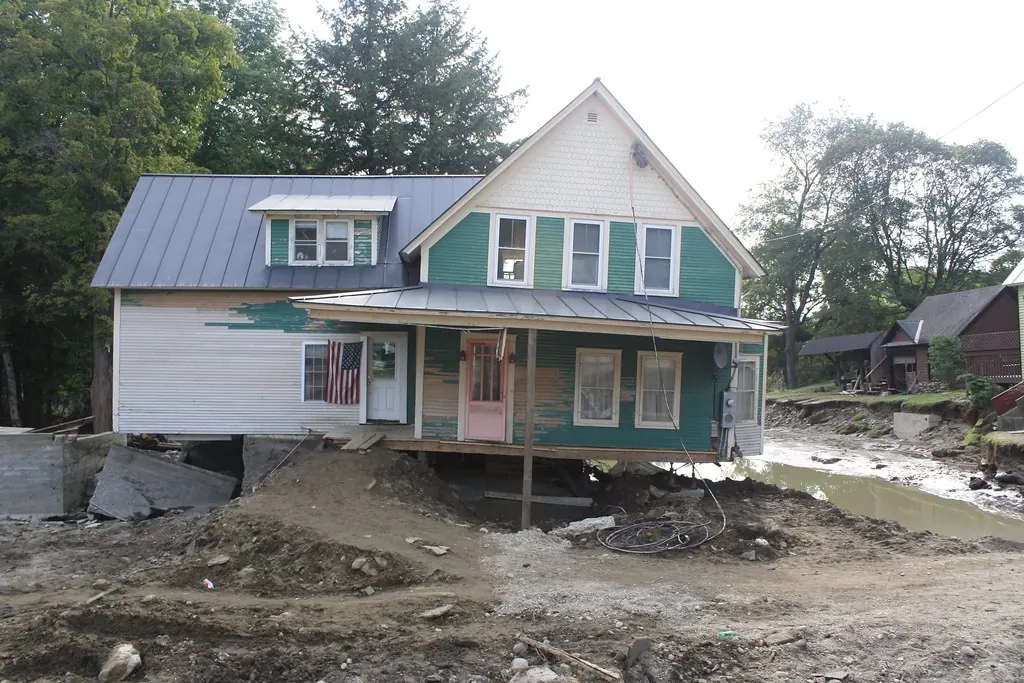
The Red River flood of 1997 swamped Grand Forks and threatened communities all along the valley, including Moorhead. In 2009, the river crested at record levels at Fargo–Moorhead, and residents spent weeks building sandbag dikes. Since then, Moorhead has bought out many riverfront properties and built levees and floodwalls, and the larger Fargo–Moorhead diversion project is reshaping flood risk for the metro.
From an insurance standpoint, river flooding is covered by flood policies, not homeowner policies. But spring thaw also brings sewer backup and seepage claims, and those can fall under endorsements that do go to appraisal.
Prairie weather the rest of the year
With few trees or hills to break it, wind across the Red River Valley is relentless. Blizzards bring heavy drifting and roof loads, deep cold freezes pipes and summer storms bring hail and straight-line wind. Moorhead homes range from early-1900s houses near Concordia College and Minnesota State University Moorhead to newer subdivisions on the south side such as Village Green.
Common Clay County claim disputes
- Wind-damaged shingles and siding written off as normal wear.
- Frozen pipe losses where the insurer questions whether heat was maintained.
- Hail damage on newer roofs approved only in part.
- Basement backups capped well below the actual cost of repair.
Minnesota has 87 counties and no state wind pool; if a standard carrier won’t write your property, the Minnesota FAIR Plan is the market of last resort. Whatever company insures you, the appraisal clause in your policy works the same way.
Wind claims on the open prairie
Wind damage is one of the most argued claim types in the valley. Shingles that have been lifted and creased by wind may lie flat again after the storm, so the damage is easy to miss from the ground and easy to call wear. A hand inspection of the roof, looking for broken seal strips and creases, gives a much better picture. Siding blown off one wall or cracked by debris raises the same matching questions as hail.
Because storms in the valley can arrive with little terrain to slow them, it also helps to know the date and time of the event. Local weather service reports and storm data can confirm high winds on a specific day. Pair that with dated photos of the property, and you have a much stronger record when the insurer questions whether damage is storm-related. Once coverage is accepted, the remaining dispute is usually about scope and price, which is where appraisal fits.
Appraisal help in the Red River Valley
Minnesota Insurance Appraiser serves Moorhead, Dilworth, Barnesville and the rest of Clay County, and we inspect on site. We build an independent estimate and represent you in appraisal when the dispute is over the amount of the loss. See our water damage appraisal and winter damage appraisal pages, or contact us to talk through your claim.
Appraisal solutions available in Moorhead
Every Minnesota Insurance Appraiser solution is available to property owners in Moorhead and the surrounding communities, including:
- Appraisal Clause Representation
- Homeowner Claim Appraisal
- Commercial, Townhome & HOA Claims
- Roof & Hail Damage Appraisal
- Tornado, Derecho & Straight-Line Wind
- Water & Burst-Pipe Claims
Questions from Moorhead property owners
Do you handle property on the North Dakota side in Fargo?
Our focus is Minnesota property. If you own property in both states, contact us and we can discuss what makes sense for your Minnesota claim.
Can a frozen pipe claim go to appraisal?
Yes, once the insurer accepts coverage and the dispute is about the cost of repairs. Whether freezing is covered depends on your policy and whether heat was maintained.