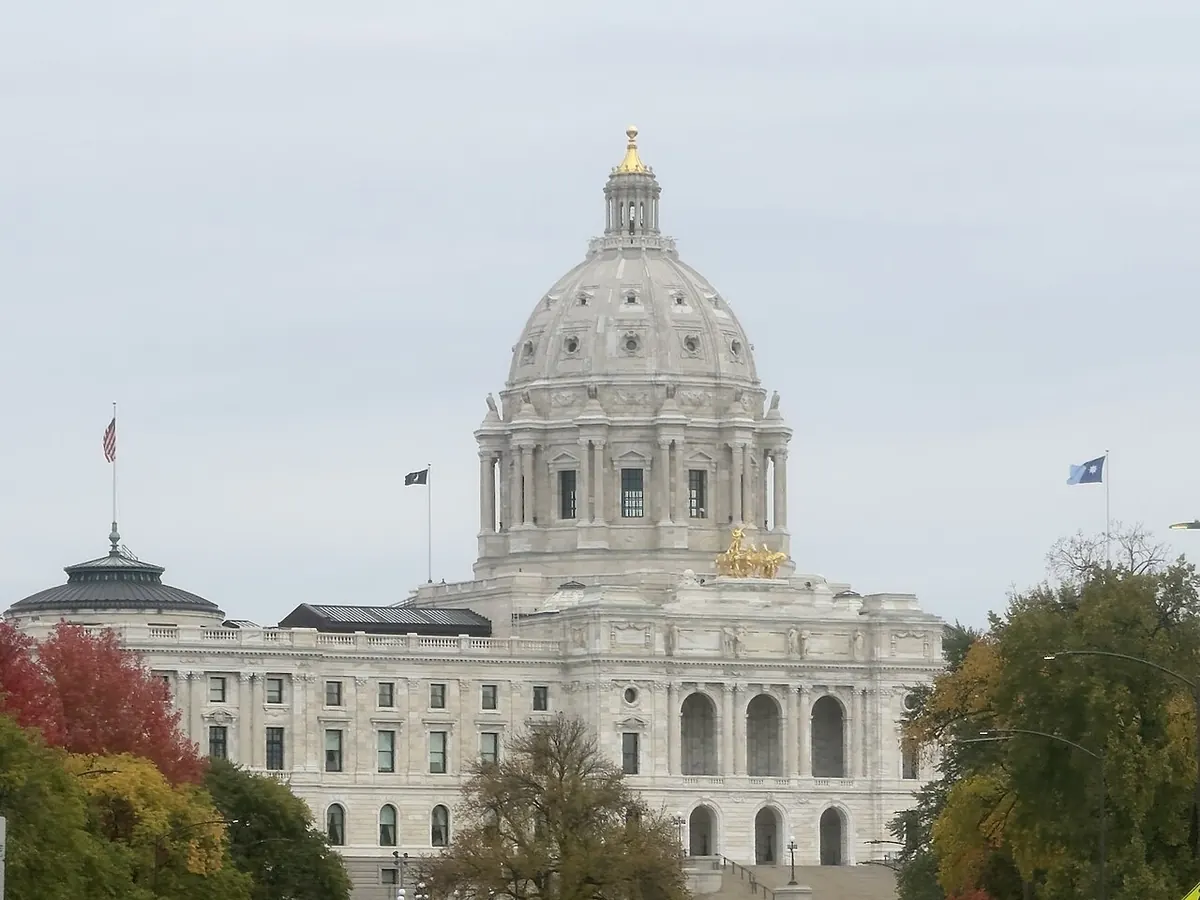
Many property disputes are not really about price. They are about cause. The insurer agrees hail hit the area but says the shingle damage is from age. It accepts a wind loss but says the siding cracks are from settling. In a lot of states, that kind of disagreement stops appraisal in its tracks. Minnesota took a different path in 2012, and the result shapes how appraisal works here today. This article explains the general idea in plain terms. It is not legal advice, and any specific coverage question belongs with a Minnesota attorney.
The appraisal clause in brief
Minnesota’s standard fire policy statute, Minn. Stat. § 65A.01, includes an appraisal provision that most property policies sold here follow. When the insured and insurer fail to agree on the amount of loss, either may demand appraisal. Each side names a competent and disinterested appraiser, the appraisers select an umpire, and an award signed by any two sets the amount of loss.
The key phrase is “amount of loss.” Appraisal is meant to settle how much a covered loss costs. It is not meant to decide whether the policy covers the loss in the first place.
Where causation fits
Causation sits awkwardly between those two ideas. To decide how much hail damage a roof has, someone has to decide which marks are hail and which are not. To price a wind loss, someone has to decide which siding panels were damaged by the storm. Valuing the loss and identifying its cause are often the same task.
What the court said
In Quade v. Secura Insurance, decided by the Minnesota Supreme Court in 2012, the dispute involved storm damage to farm buildings and whether the appraisal panel could consider what caused the damage. The court’s reasoning, in general terms, was that an appraisal panel may determine the cause of damage when that is necessary to decide the amount of loss. At the same time, the court made clear that questions of coverage, meaning what the policy does and does not insure, remain for the courts.
In other words, appraisers can say “this damage was caused by the hailstorm and costs this much to repair.” They should not be the ones deciding whether a particular exclusion applies or whether the policy covers a certain kind of event.
What this means in practice
For Minnesota policyholders, the decision generally means an insurer cannot automatically avoid appraisal just by saying “we disagree about causation.” When the disagreement is about which damage the covered event caused, an appraisal panel can often address it as part of valuing the loss.
That matters most in claims like these:
- Hail on roofs and siding, where the carrier says some marks predate the storm
- Wind damage, where the question is whether lifted shingles or bent panels came from this event
- Interior water damage, where the insurer accepts a leak but disputes how far it spread
- Older buildings, where wear and storm damage overlap
The limits are real
Quade is not a blank check. A few cautions apply:
- Coverage stays with courts. If the insurer’s position is that the policy excludes the loss entirely, such as flood, earth movement or wear and tear as an exclusion, the panel’s award does not resolve that question.
- Awards can be clarified or challenged. Panels sometimes itemize awards by cause so a court can later apply coverage rulings to the right pieces.
- Policy wording varies. Some policies contain language about what appraisers may decide. Read yours, and have an attorney review it if causation is central.
- Deadlines still run. Standard policy language commonly limits suits to two years after the loss. Confirm the deadline in your policy and with an attorney before relying on appraisal alone.
How appraisers approach causation
Good appraisers treat causation as an evidence question, not an opinion contest. For hail, that can mean examining collateral damage such as dented gutters, downspouts, window screens and air-conditioner fins; comparing impacts across slopes facing the storm; and checking storm reports for the date of loss. For wind, it can mean looking at the direction of lifted shingles, creased tabs and debris patterns.
When the evidence is genuinely technical, the panel may consider reports from engineers or roofing specialists. The umpire weighs those reports along with what the appraisers observed on site.
How we handle it
At Minnesota Insurance Appraiser, we document cause and amount together, with photos tied to specific line items. That way, if the other side argues a portion of the damage is old, the record shows exactly why each item was included. Our appraisal clause help page explains how we review a claim before recommending appraisal.
When to involve an attorney
If the insurer has denied coverage, reserved rights on a coverage question, or argued that appraisal is not available because the dispute is about coverage, talk to a Minnesota attorney before moving forward. The same goes for questions about whether an insurer acted without a reasonable basis. Minn. Stat. § 604.18 can come into play in those situations, but it has procedural requirements and is squarely a legal matter.
For more on how the process unfolds step by step, see the appraisal process guide, or browse common questions about appraisal in Minnesota.